 English



Tel : +86 13729892225
Email : export@dtechelectronics.com










Tel : +86 13729892225
Email : export@dtechelectronics.com
DTECH Intelligent Traffic Solution
DTECH Intelligent Traffic Solution: A Full-Chain Networking Guide from Signal Acquisition to
Command Center
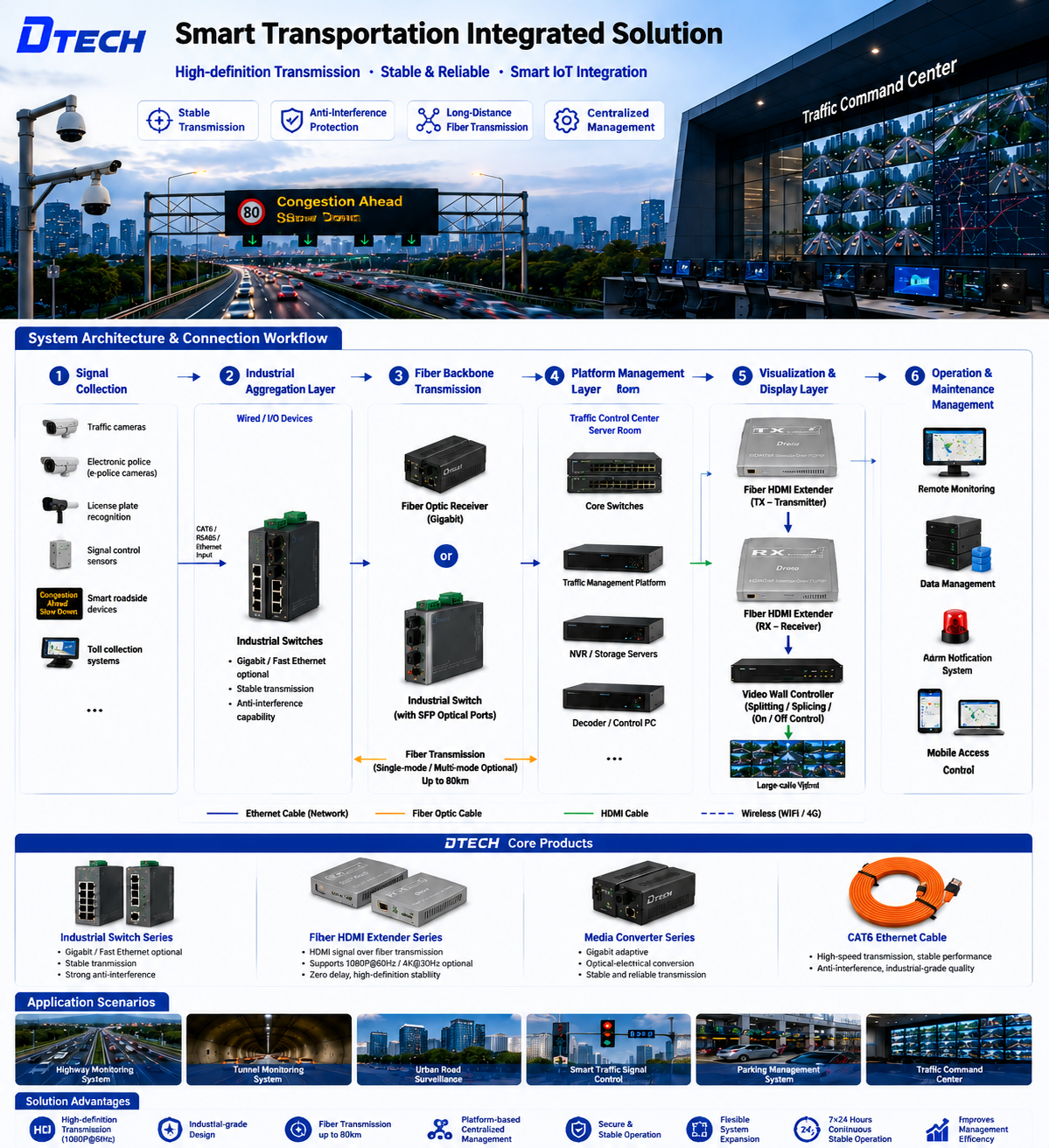
The DTECH Intelligent Traffic Solution is a full-chain video transmission and management system designed for highways, tunnels, urban roads, and traffic command centers. It follows a six-stage architecture — signal acquisition → industrial aggregation → fiber backbone transmission → platform management → visualization display → operations & maintenance — to carry signals from front-end devices such as traffic cameras, electronic police, and variable message signs through industrial switches and fiber transceivers over long distances to the command center, where fiber HDMI extenders and video walls enable centralized display and remote operation. Its core advantages include 1080P@60Hz HD transmission, industrial-grade 24/7 stable operation, fiber transmission distances of up to 80km, and platform-based centralized management, making it suitable for six major scenarios: highway monitoring, tunnel monitoring, urban road monitoring, smart traffic signal control, parking lot management, and traffic command centers.
Key Takeaways
 System architecture
Four core capabilities
Four core product lines
Transmission distance
Applicable scenarios
Selection logic
System architecture
Four core capabilities
Four core product lines
Transmission distance
Applicable scenarios
Selection logic
1.What is an Intelligent Traffic Solution
An intelligent traffic solution refers to a systematic integration of three components — front-end signal acquisition devices, mid-layer transmission networks, and back-end management platforms — designed for urban and highway traffic scenarios. Its core goal is to solve three industry pain points:
1.Signal loss and image degradation: Traffic monitoring points are widely dispersed and far apart, making it hard for standard network equipment to maintain stable image quality over long distances.
2.Environmental interference causing instability: Outdoor cabinets and tunnels are subject to electromagnetic interference and temperature/humidity fluctuations, leading to high failure rates for standard commercial equipment.
3.Difficulty centrally managing multiple signals: Traffic command centers must simultaneously handle dozens or even hundreds of video feeds; without a unified platform, operational efficiency suffers.
The DTECH Intelligent Traffic Solution is built around three positioning pillars — HD Transmission, Stable Reliability, and Smart IoT Connectivity — using industrial-grade equipment to ensure baseline stability, fiber backbone transmission to solve long-distance challenges, and platform-based management to improve operational efficiency.
2.System Architecture: A Detailed Walkthrough of the Six Stages
The DTECH system architecture follows a clear signal flow logic, structured in the order: Acquisition → Aggregation → Transmission → Management → Display → Operations.
2.1 Stage 1: Signal Acquisition Layer
Front-end devices are the source of all signals in the system. Common devices include:
Signals from this layer are transmitted to the next stage via CAT6 cable, RS485, or Ethernet.
Front-end signals first converge at industrial switches located at intersections or cabinets — the first checkpoint for ensuring system stability. Industrial switches come in two types:
Long-distance transmission from roadside cabinets to the traffic command center relies on fiber transceivers for opto-electrical signal conversion, with single-mode/multi-mode fiber options to meet different distance requirements. This stage is key to solving the industry's core "transmission distance" pain point.
After signals reach the command center machine room, they pass through:
This layer is the "brain" of the entire system, determining whether multiple signals can be efficiently scheduled and stored long-term.
Signals processed by the management platform are transmitted via fiber HDMI extenders (TX transmitter + RX receiver) to the video wall controller, ultimately enabling multi-view, split-screen, and windowed display on the large video wall for real-time traffic monitoring by command center staff.
The final stage closes the operational loop, including:
These six stages form a complete closed loop — a bottleneck at any single stage directly impacts the decision-making efficiency of the traffic command center.
3.Core Product Specifications and Selection Comparison
Equipment selection logic varies significantly across different scenarios and budgets. Below is a comparison reference for DTECH's four core product lines:
| Product Line | Key Specs | Application | Core Advantage |
| Industrial Switch Series | Fast/Gigabit selectable, some models with SFP port | Intersection cabinet signal aggregation | Stable transmission, strong anti-interference |
| Fiber HDMI Extender Series | Supports 1080P@60Hz / 4K@30Hz | Command center video wall display | Zero latency, stable HD image quality |
| Media Converter Series | Fast/Gigabit auto-adaptive | Opto-electrical conversion nodes | Stable and reliable conversion |
| CAT6 Cable | High-speed transmission, industrial-grade quality | Short-distance device cabling | Anti-interference, durable |
3.2 Industrial Switch vs. Standard Commercial Switch
| Comparison | Industrial Switch | Commercial Switch |
| Environmental Adaptability | Wide temperature range, dust/moisture resistant, suitable for outdoor cabinets | Typically suitable only for indoor, temperature-controlled environments |
| Anti-Interference | Strong, suitable for tunnels and high-EMI intersections | Average, prone to packet loss from interference |
| Operating Stability | Designed for 24/7 continuous operation | Suitable for non-continuous use |
| Use Case | Traffic monitoring, industrial IoT, and other demanding scenarios | Office networks and general scenarios |
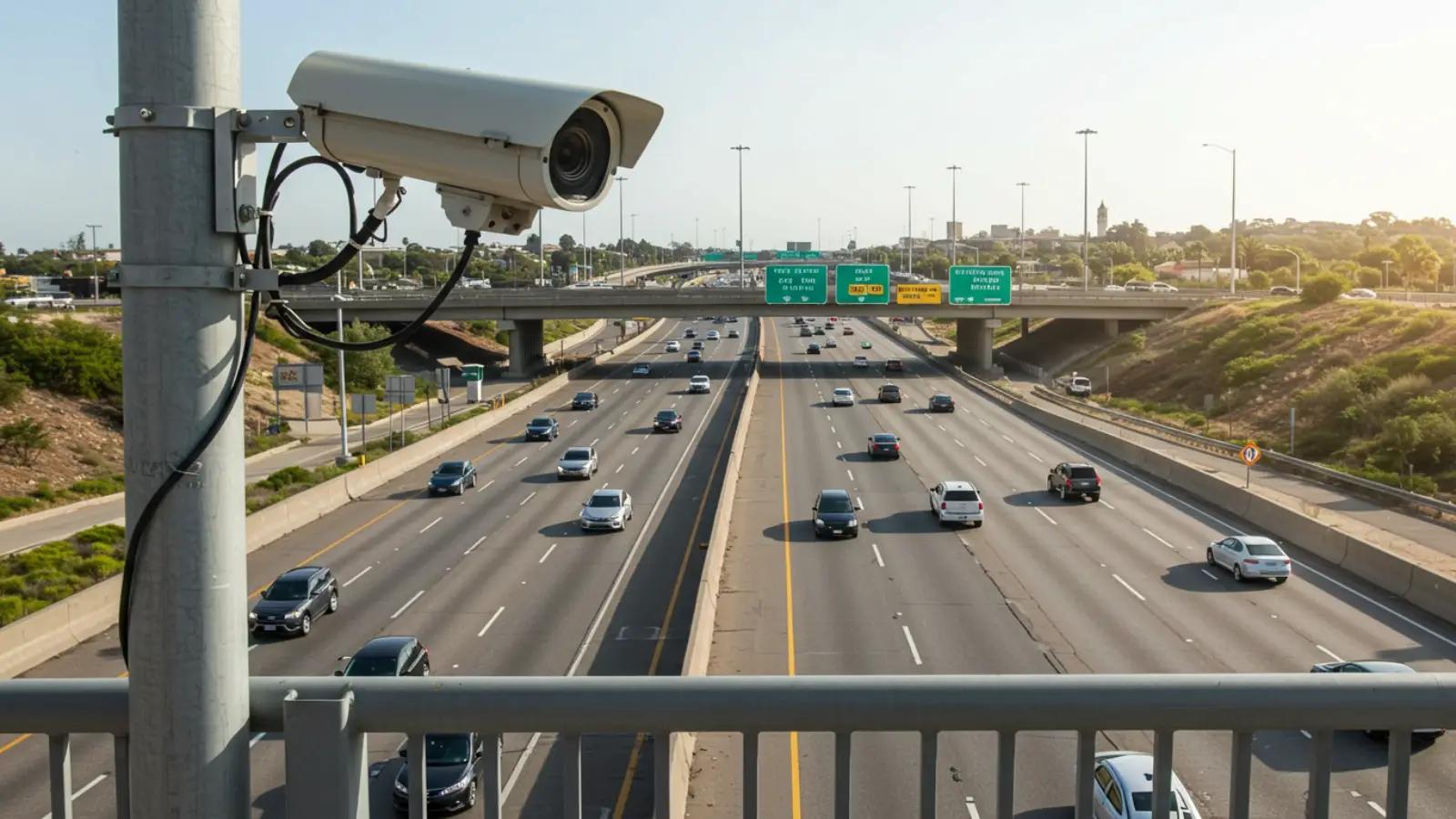
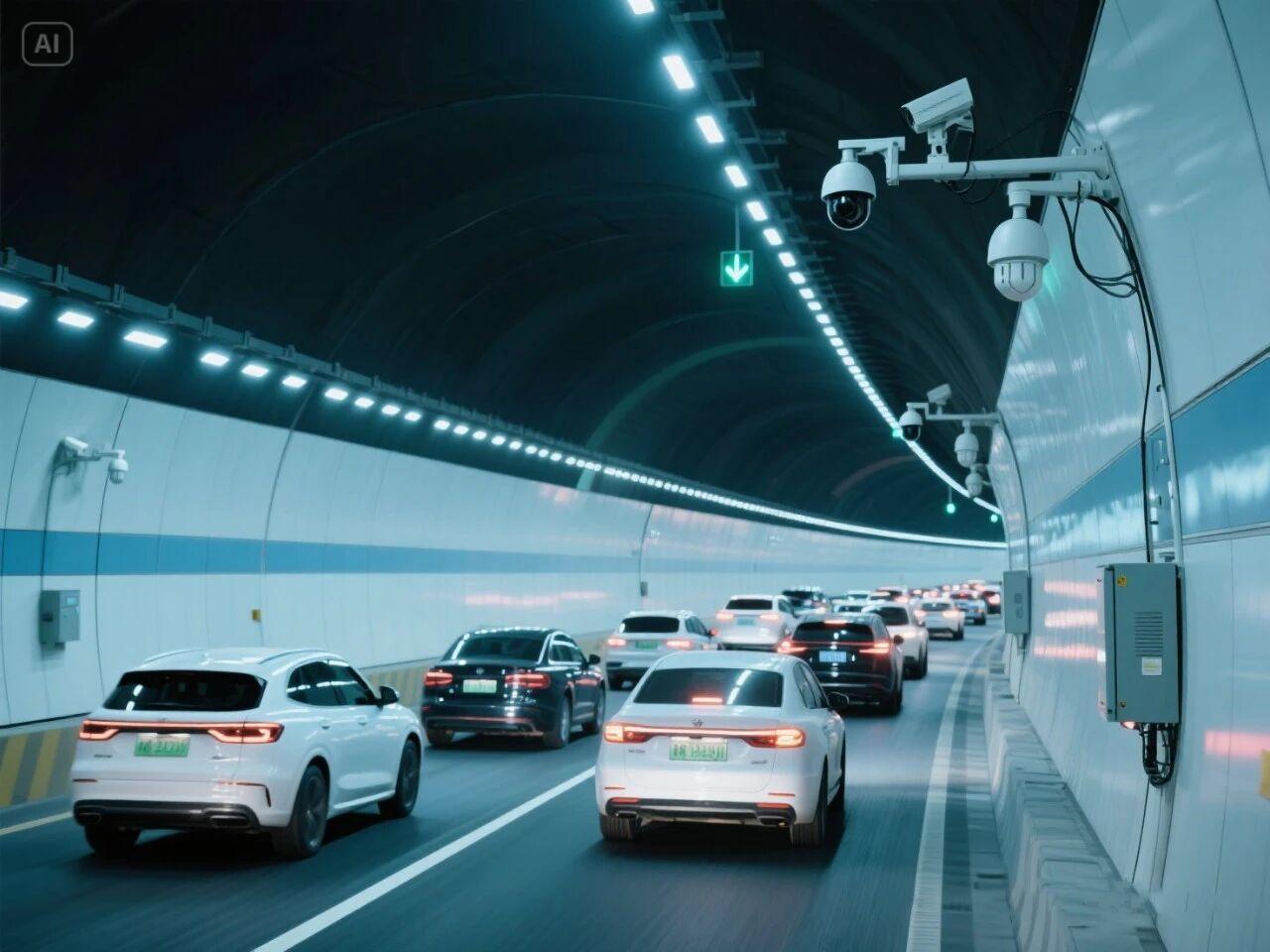
4.Six Application Scenarios: Practical Reference
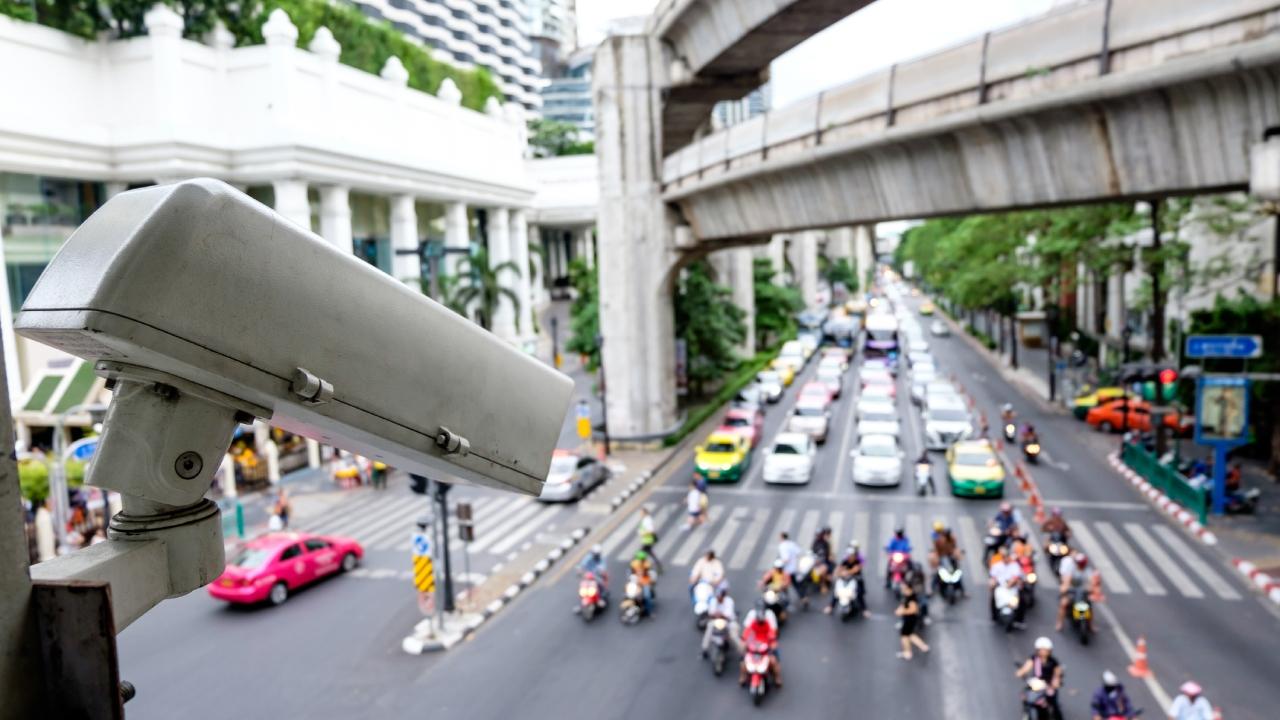
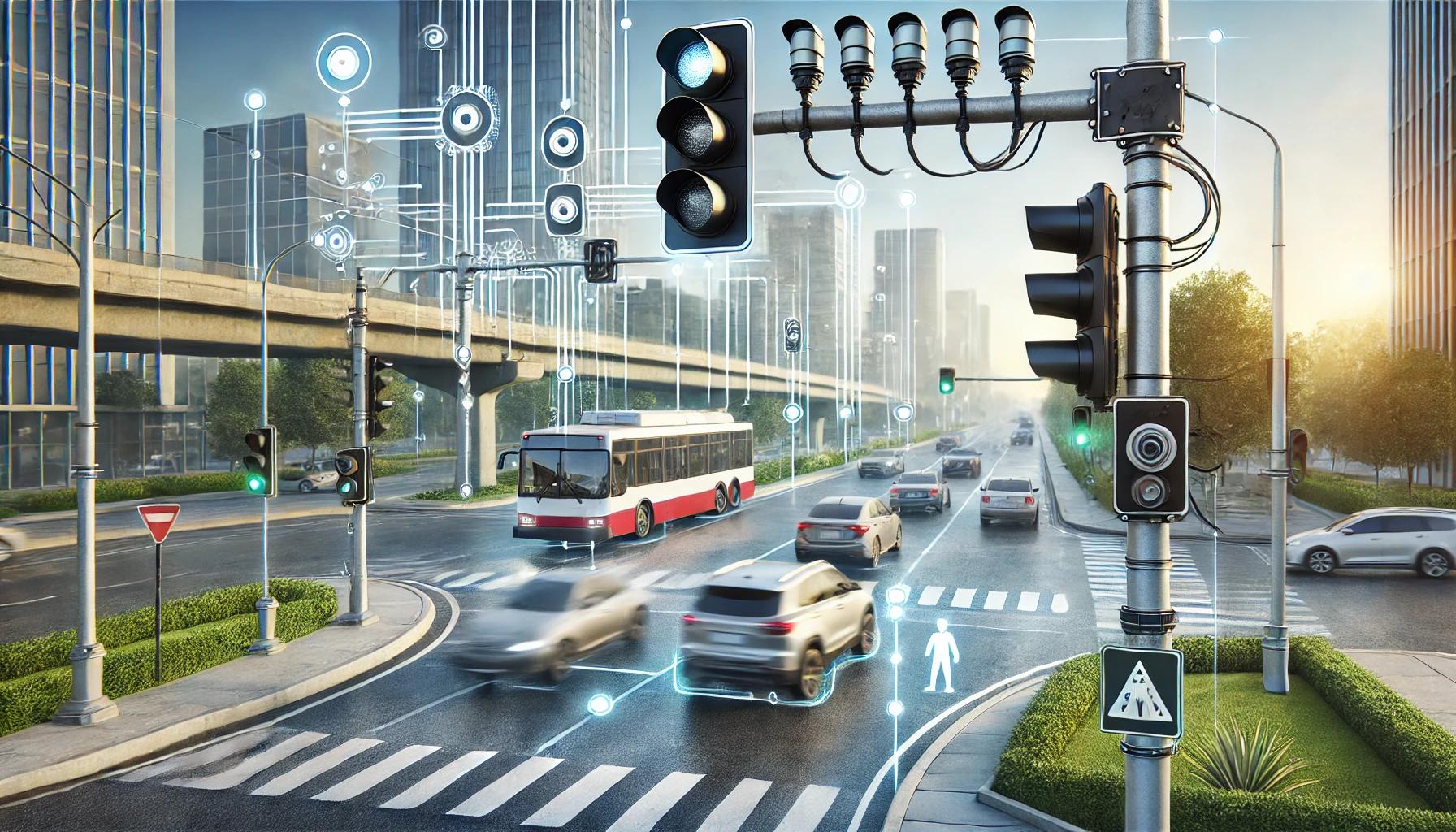
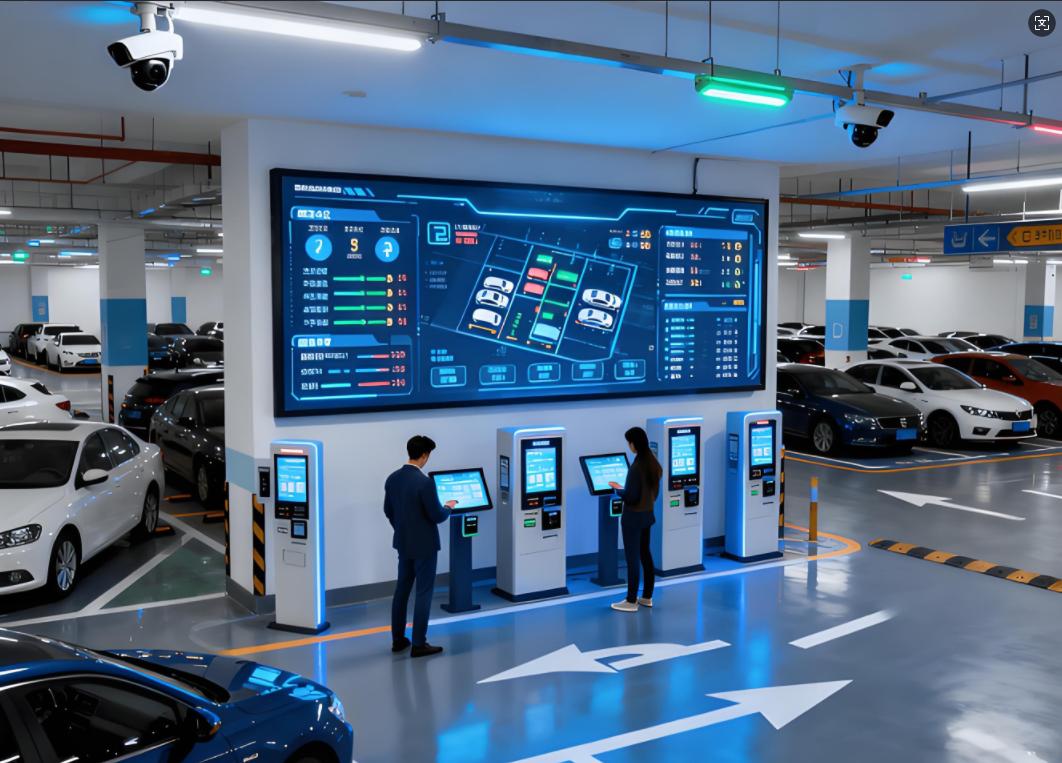
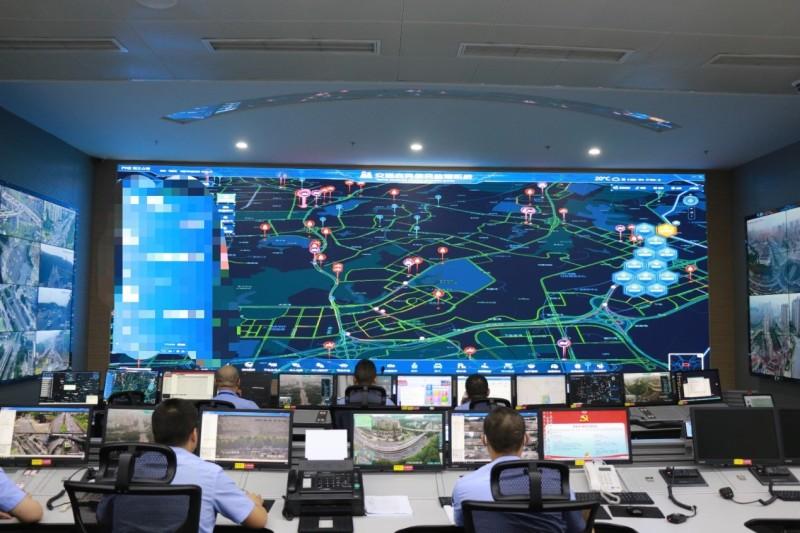
Q1: What basic equipment does an intelligent traffic solution require?
A: A complete solution typically includes front-end acquisition devices such as traffic cameras, industrial switches, fiber transceivers, core switches, a traffic management platform, NVR storage, fiber HDMI extenders, and video wall controllers — covering the entire process from signal acquisition to visualization.
Q2: What is the maximum fiber transmission distance?
A: Using fiber transceivers or SFP-equipped industrial switches, transmission distance can reach up to 80km, meeting the needs of ultra-long-distance scenarios such as highways.
Q3: What is the difference between industrial switches and standard switches?
A: Industrial switches are designed for outdoor, high-interference, wide-temperature environments, supporting 24/7 stable operation with significantly better anti-interference performance than commercial switches — making them better suited for demanding scenarios like traffic monitoring.
Q4: Does the fiber HDMI extender support 4K transmission, and is there latency?
A: The DTECH fiber HDMI extender series supports both 1080P@60Hz and 4K@30Hz specifications. Using fiber transmission, it offers zero-latency and stable image quality, suitable for command center video wall scenarios.
Q5: How can signal stability be ensured in high-interference environments like tunnels?
A: It is recommended to prioritize industrial-grade switches and fiber transmission solutions. Industrial-grade equipment is specifically designed to address typical tunnel environmental issues such as electromagnetic interference and temperature/humidity fluctuations, significantly reducing failure rates.
Q6: How should I choose between single-mode and multi-mode fiber?
A: For long-distance transmission (tens of kilometers), single-mode fiber is recommended, such as for highway scenarios. For medium-to-short distances (hundreds of meters to a few kilometers), lower-cost multi-mode fiber is suitable, such as for transmission between urban road nodes.
Q7: Can this system support remote and mobile monitoring?
A: Yes. The operations and maintenance layer supports PC-based remote monitoring, cloud/local data management, real-time alert push notifications, and mobile access (phone/tablet) at any time.
Q8: How does equipment selection differ across scenarios (highway/tunnel/urban road)?
A: The core differences lie in transmission distance and environmental interference: highways emphasize long-distance fiber transmission, tunnels emphasize anti-interference capability, urban roads emphasize efficient multi-intersection aggregation, and smaller scenarios like parking lots can adopt a more economical cable + small-to-medium switch solution.
Q9: Does the system support future expansion and upgrades?
A: Yes. The DTECH solution uses a modular design, allowing flexible expansion of monitoring points and equipment as the business grows, without needing to rebuild from scratch — reducing later renovation costs.
Q10: How can I get DTECH product selection advice or a solution quote?
A: You can contact DTECH engineers with your actual scenario details (number of points, transmission distance, environmental conditions) to receive customized selection advice and a detailed quote.
Through its systematic six-stage design, the DTECH Intelligent Traffic Solution embeds the three core capabilities of HD transmission, stable reliability, and smart IoT connectivity into four core product lines — industrial switches, fiber HDMI extenders, media converters, and CAT6 cables. It flexibly adapts to six typical scenarios — highways, tunnels, urban roads, smart signal control, parking lot management, and traffic command centers — providing traffic industry customers with an integrated networking solution from front-end acquisition to command center visualization.
© Copyright: 2026 Guangzhou Dtech Electronics Technology Co.,Ltd. All Rights Reserved.

